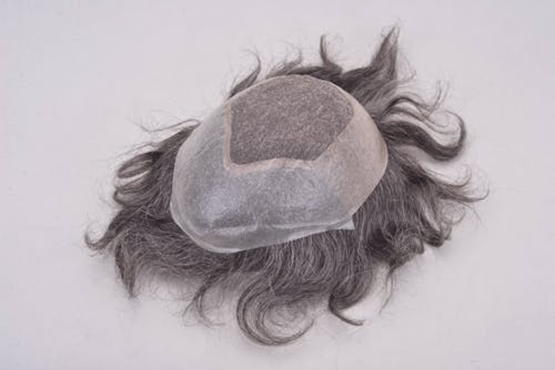
Hair Topper Installation for Sensitive Scalps: Low-Tension Methods That Don’t Cause Pain
We meet many women who come to us excited about trying a hair topper but worried about one thing: pain. Some individuals have experienced tight installations in the past, while others struggle with tender spots from thinning, and some have a sensitive scalp that reacts quickly to styling products. We understand that fear, and we ensure that our hair topper installation feels gentle and comfortable from start to finish.
Common Causes of Tenderness or Irritation
Before choosing a method, we look for signs related to scalp health. These may include:
• Inflammation from dryness, buildup, or skin conditions.
• Sensitivity after recent shedding or postpartum changes.
• Ongoing soreness from hormonal fluctuations.
• Discomfort from previous tight installs or pressure-heavy clips.
Even small issues can significantly impact how the scalp responds, so we take the time to thoroughly assess everything during the consultation.
How Sensitivity Affects Hair Topper Choices
Clients often assume any topper will work for them, but sensitive scalps need different considerations. We check:
• Base Size: A base that overlaps tender spots can cause discomfort during hair topper installation.
• Placement Zones: Some areas need to be avoided completely.
• Topper Weight: Heavier pieces can press down on delicate anchor points.
This evaluation helps us match each client with the most comfortable attachment method.
Signs You Need a Low-Tension Approach
A few reactions tell us that a traditional installation won’t work:
• Pressure headaches.
• Redness after wearing a topper.
• Clips that feel sharp, even when properly aligned.
If a client reports any of these issues, we adjust the topper plan and move to tension-free options.
Low-Tension Hair Topper Installation Options That Reduce Pulling and Pain
The following are some low-tension hair topper application techniques that work for sensitive scalps.
1. Braidless Sew-In Topper Installations
These provide a stable base without the tightness of traditional braids. Instead of creating bulky rows, we use small beads to hold strands in place and stitch the topper in gently.
How the Method Works
We attach tiny beads to small sections of natural hair. These beads allow us to sew the topper in without tugging. The result is a smooth anchor that lies close to the head.
Why It Helps Sensitive Scalps
• There’s no heavy tension around the bead area.
• The scalp stays open and breathable.
• It avoids the discomfort many clients feel with braided installs.
Best For
Clients who want a secure hold without clips and who have enough hair for bead support during hair topper installation.
2. Beaded Matrix / Beaded Row Method
This method spreads the topper’s weight over several anchor points, which helps protect the scalp from feeling pressure in one spot.
How Weight Distribution Protects the Scalp
We place beads in a pattern that matches the client’s thinning areas and scalp sensitivity. The topper sits evenly across the entire row, making it comfortable even for long wear.
When This Method Works Best
This is ideal for clients who require a more stable foundation but prefer to avoid adhesives or tight stitching. It also works well for larger bases that need even support.
3. Adhesive-Free Clipless Installation
Some clients cannot tolerate adhesives, even gentle ones. For these clients, we use soft anchor points that keep the topper in place without the need for clips or glue, ensuring a calm and comfortable hair topper installation process.
Why Avoiding Adhesive Helps Some Clients
• No risk of redness from bonding products.
• No tugging on removal.
• The scalp stays calm even with regular wear.
Creating Stable Anchor Points Without Pulling
We use lightweight micro-links or discreet connection points that hold the topper steady. Because these anchors sit softly against the head, they reduce friction and pressure.
4. Light-Density Topper Customizations
Weight matters more than most people realize. A topper that’s too full can shift, pull, and create pressure. We customize toppers to ensure the client achieves the desired look without the weight that can cause discomfort.
Why Density Matters for Sensitive Scalps
Heavier toppers sit harder on the scalp, which affects how comfortable the hair topper installation feels. By adjusting the density, we maintain comfort from morning to night.
Custom Cuts and Base Adjustments
• Thinning bulk in the interior.
• Choosing a base that fits the thinning pattern.
• Reducing weight without sacrificing coverage.
5. Low-Tension Clip Placement (If Clips Are Needed)
Sometimes, clips are the best choice, but not the standard ones or the standard placement. We only use clips when we know the scalp can tolerate them and when we can position them in the least sensitive areas.
Using Soft-Grip, Low-Pressure Clips
These clips close smoothly without biting into the hair. They stay in place but never feel sharp or tight.
Rotating Clip Zones to Protect Sore Areas
We adjust placement so the same area doesn’t take pressure every time. This prevents irritation from forming.
When Clips Are Safe and When to Avoid Them
Clips work well for clients with enough healthy hair to support them. We avoid clips when hair is shedding or when the scalp is tender in the usual anchor spots.
Aftercare Steps That Help Keep the Scalp Comfortable
Gentle hair topper installation is only the first part. Aftercare helps maintain comfort and keeps the topper secure through daily activities.
1. Routine Care That Reduces Tension Over Time
Daily habits make a difference:
• Use gentle strokes when brushing near attachment points.
• Apply lightweight leave-in products to prevent dryness.
• Keep the topper clean so buildup doesn’t irritate the scalp.
2. Sleeping Tips for Sensitive Scalp Clients
Sleeping with a topper can be easy when done right. Be considerate of the following:
• Use a low-friction pillowcase to avoid any friction or pulling.
• During the night, either do a loose wrap or remove the topper if the scalp needs a break.
3. Signs the Topper Needs to Be Checked
• A new pressure spot.
• Movement that wasn’t there before.
• Tenderness when touching certain points.
Conclusion
A sensitive scalp shouldn’t stop anyone from enjoying the comfort and confidence a topper can bring. With the right hair topper installation method and gentle placement, anyone can wear it with a completely natural feel.
At Length in a Day, we take time to understand your scalp, your hair, and your comfort level so the installation feels good from the first day and stays that way. Reach out to us to book a sensitive-scalp consultation or inquire about our low-tension installation options.